
Chardham Yatra
Chardham Yatra
Kedarnath
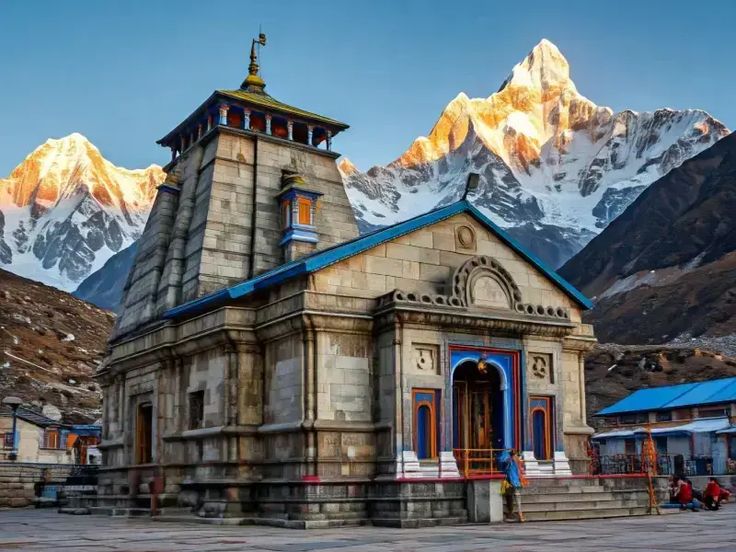
Dedicated to Lord Shiva, Kedarnath is a highly esteemed Hindu pilgrimage site that is important to the Chardham Yatra. The temple is located in the Rudraprayag district of Uttarakhand at an elevation of 3,583 meters. The Mandakini River flows nearby, and the temple is surrounded by the magnificent Himalayan mountains. It represents Lord Shiva in his most powerful form and is acknowledged as one of the twelve Jyotirlingas.
Tradition holds that the temple was originally constructed by the Pandavas and later renovated by Adi Shankaracharya in the 8th century. In order to avoid the Pandavas, Lord Shiva is said to have transformed into a bull. He then left behind his hump, which is revered in the temple. This site possesses profound spiritual importance, drawing devotees who seek liberation (moksha).
The temple remains accessible from April or May until November, as heavy snowfall renders it unreachable during the winter months. Pilgrims typically embark on a strenuous 16-kilometer trek from Gaurikund to arrive at the shrine, making the journey itself as spiritually enriching as the destination. Surrounded by breathtaking glaciers and snow-capped peaks, Kedarnath provides a unique divine experience.
Badrinath
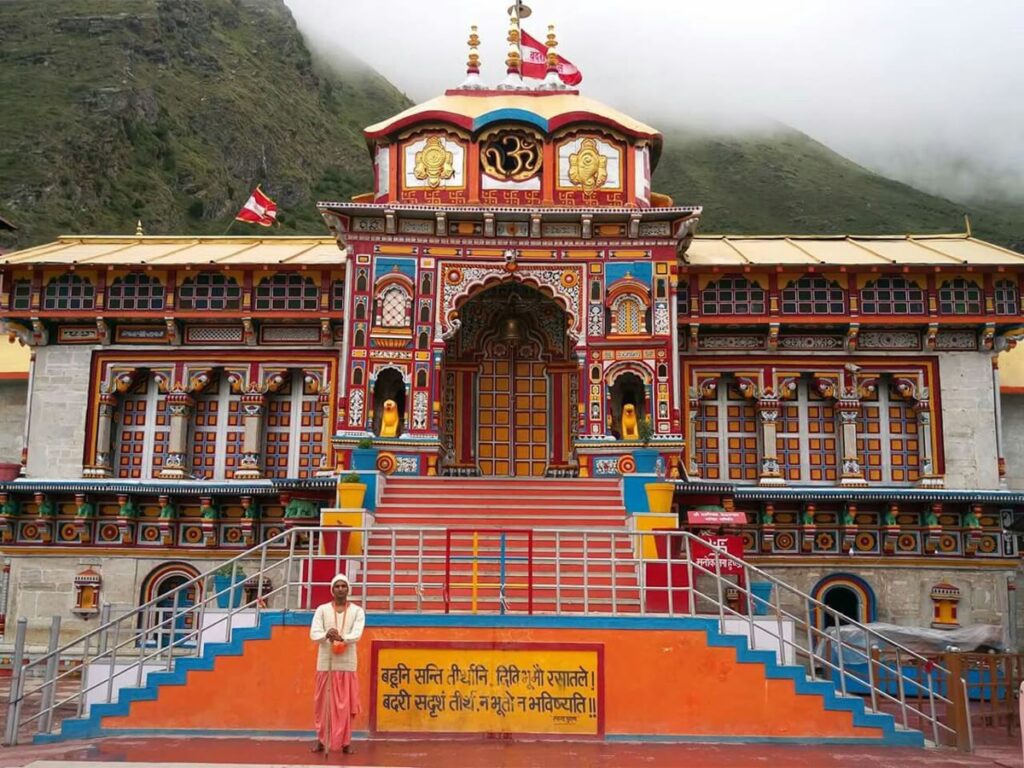
Badrinath is renowned as one of the most important pilgrimage locations in India, devoted to Lord Vishnu and bearing great spiritual worth. It is located near the banks of the Alaknanda River in the Chamoli district of Uttarakhand at an elevation of 3,300 meters.surrounded by the majestic mountain ranges of Nar-Narayan. The temple, which is thought to have been founded by Adi Shankaracharya in the 8th century, houses a black stone idol of Lord Vishnu depicted in a meditative stance. Devotees journey to Badrinath in pursuit of spiritual liberation (moksha), and the location is intricately linked to Hindu mythology, including narratives from the Mahabharata. Nearby attractions such as Tapt Kund, Mana Village, and Vasudhara Falls enhance its allure. The temple remains open from April or May until November, providing a sacred experience amidst the breathtaking Himalayan scenery.
Badrinath
Badrinath is renowned as one of the most important pilgrimage locations in India, devoted to Lord Vishnu and bearing great spiritual worth. It is located near the banks of the Alaknanda River in the Chamoli district of Uttarakhand at an elevation of 3,300 meters.surrounded by the majestic mountain ranges of Nar-Narayan. The temple, which is thought to have been founded by Adi Shankaracharya in the 8th century, houses a black stone idol of Lord Vishnu depicted in a meditative stance. Devotees journey to Badrinath in pursuit of spiritual liberation (moksha), and the location is intricately linked to Hindu mythology, including narratives from the Mahabharata. Nearby attractions such as Tapt Kund, Mana Village, and Vasudhara Falls enhance its allure. The temple remains open from April or May until November, providing a sacred experience amidst the breathtaking Himalayan scenery.
Yamunotri
Yamunotri, recognized as the origin of the revered Yamuna River, stands as one of the four sacred sites of the Chardham Yatra, holding profound importance in Hindu tradition. This shrine honoring Goddess Yamuna is located at a height of meters in the Uttarkashi district of Uttarakhand, enveloped by magnificent Himalayan mountains and verdant forests. The temple is thought to have been established by Maharaja Pratap Shah of Tehri Garhwal and houses a black marble idol of Goddess Yamuna. Devotees believe that immersing themselves in the waters of the Yamuna cleanses them of sins and offers protection from premature death. Additionally, the temple is renowned for the Tapt Kund, a natural hot spring where worshippers prepare rice as a sacred offering to the goddess. Reaching Yamunotri involves a picturesque and spiritual trek from Janki Chatti, providing stunning vistas of the Himalayas. Open from April or May until November, Yamunotri draws pilgrims in search of divine blessings and a tranquil communion with nature, where spirituality and natural splendor harmoniously coexist
Gangotri
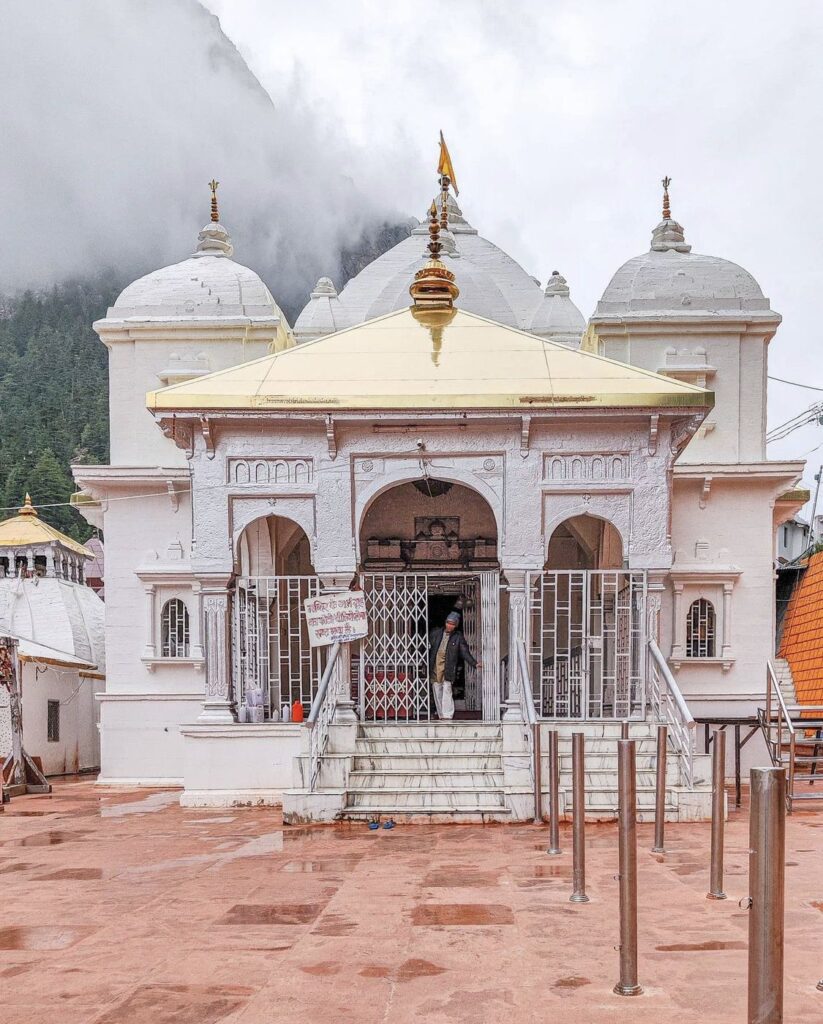
Known as the origin of the sacred Ganga River, Gangotri is a major pilgrimage site in India and an essential component of the Chardham Yatra. Located in Uttarakhand’s Uttarkashi district at a height of 3,100 meters,
It is surrounded by serene natural surroundings and the majesty of the Himalayan mountains.
The Gorkha general Amar Singh Thapa founded the Gangotri Temple in the 18th century to commemorate Goddess Ganga, and the Jaipur monarchs later renovated it. According to Hindu tradition, Goddess Ganga descended to Earth to absolve the sins of King Bhagirath’s forebears, thereby rendering the location profoundly sacred. The Bhagirathi River, regarded as the source of the Ganga, flows adjacent to the temple, while the Gaumukh Glacier, the river’s true origin, is situated approximately 19 kilometers away.
It is surrounded by serene natural surroundings and the majesty of the Himalayan mountains.
Devotees from all over the world visit the temple, which is open from April or May to November. In order to offer prayers, submerge themselves in the icy waters, and obtain blessings for spiritual purification, pilgrims travel to Gangotri. Gangotri is a serene and beautiful retreat because of its profound spiritual significance and stunning surroundings.
Gangotri
Known as the origin of the sacred Ganga River, Gangotri is a major pilgrimage site in India and an essential component of the Chardham Yatra. Located in Uttarakhand’s Uttarkashi district at a height of 3,100 meters,
It is surrounded by serene natural surroundings and the majesty of the Himalayan mountains.
The Gorkha general Amar Singh Thapa founded the Gangotri Temple in the 18th century to commemorate Goddess Ganga, and the Jaipur monarchs later renovated it. According to Hindu tradition, Goddess Ganga descended to Earth to absolve the sins of King Bhagirath’s forebears, thereby rendering the location profoundly sacred. The Bhagirathi River, regarded as the source of the Ganga, flows adjacent to the temple, while the Gaumukh Glacier, the river’s true origin, is situated approximately 19 kilometers away.
It is surrounded by serene natural surroundings and the majesty of the Himalayan mountains.
Devotees from all over the world visit the temple, which is open from April or May to November. In order to offer prayers, submerge themselves in the icy waters, and obtain blessings for spiritual purification, pilgrims travel to Gangotri. Gangotri is a serene and beautiful retreat because of its profound spiritual significance and stunning surroundings.